Charting Legislative Ripples Through Reward Mechanics for Handheld Table Game Sessions Across France's Digital Spaces
Alex Perry · Nov 19, 2026
Charting Legislative Ripples Through Reward Mechanics for Handheld Table Game Sessions Across France's Digital Spaces
France's regulatory environment continues to shape how operators structure reward systems for handheld table game sessions, with recent adjustments creating measurable shifts in bonus allocation and loyalty structures across mobile platforms. Data from oversight bodies shows that changes in allocation rules have led to revised point accumulation rates for games like mobile blackjack and roulette, where players earn credits through session duration and wager thresholds rather than flat entry incentives.
Tracking Shifts in Bonus Structures
Legislative updates have prompted operators to recalibrate welcome packages and ongoing promotions tied to table game play on handheld devices, and this recalibration appears in the form of capped deposit matches combined with extended play requirements that align with updated compliance standards. Researchers at French gaming analysis centers have documented how these modifications affect session lengths, noting that average play times increased by measurable margins when rewards incorporate time-based multipliers instead of immediate cash equivalents.
One study released in early 2026 highlighted patterns where reward mechanics now emphasize progressive tiers that unlock based on verified mobile sessions, and this approach stems directly from requirements that limit promotional frequency while mandating clearer disclosure of terms. Observers note that such frameworks encourage operators to integrate dynamic reward engines that adjust in real time according to player activity logs and regulatory caps on bonus values.
Mechanics Under Digital Oversight
Handheld table game environments in France operate under rules that influence how loyalty points convert into redeemable rewards, with particular attention given to games accessed via apps or browsers on portable devices. Figures from regulatory tracking reveal that point redemption rates for table variants have adjusted to reflect new thresholds, where players must complete a set number of hands or rounds before accessing higher-value incentives. This setup connects directly to broader efforts aimed at maintaining session integrity while supporting operator sustainability in a competitive digital market.
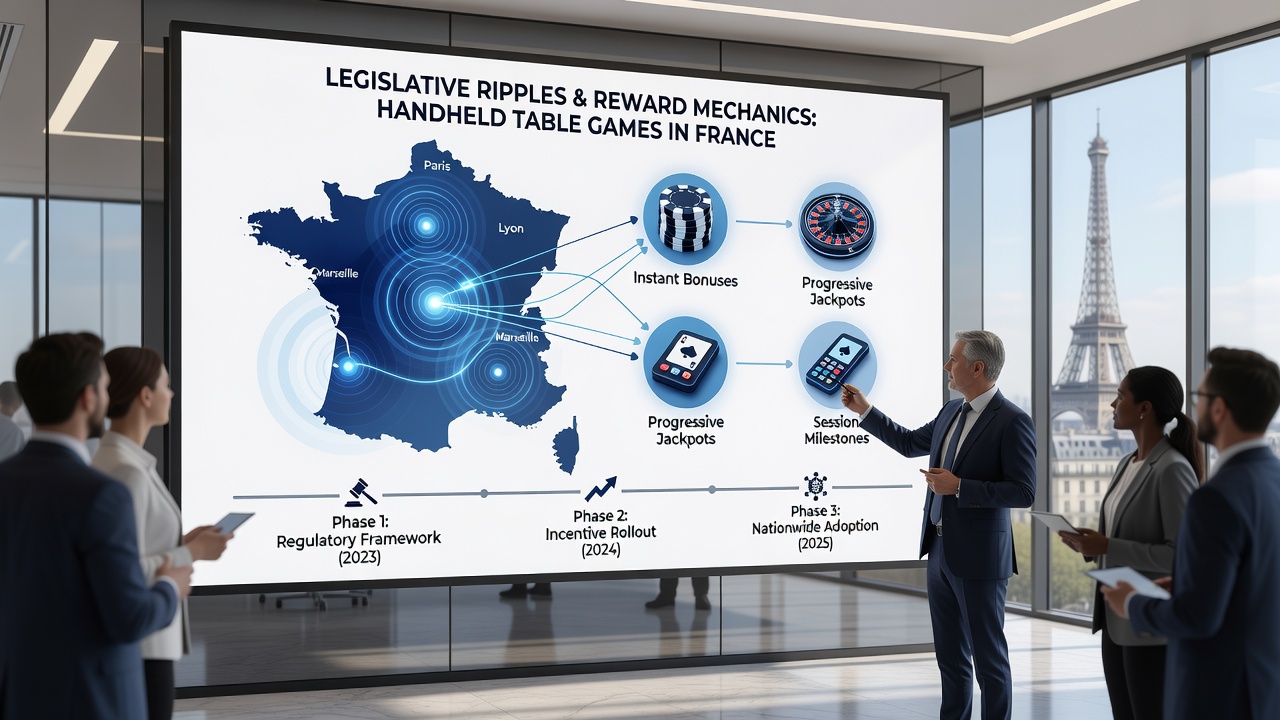
Operators have responded by deploying analytics tools that monitor reward distribution patterns, and these tools help ensure alignment with evolving directives on promotional transparency. Data indicates that sessions featuring integrated reward mechanics often show higher retention when points tie to specific table outcomes, such as streak bonuses in roulette or hand-count milestones in poker-style games. What's notable is the way November 2026 updates are expected to introduce standardized reporting formats for these mechanics, allowing clearer comparisons across platforms.
Regional Comparisons and Data Patterns
Comparisons with systems in other jurisdictions provide context for France's approach, where ANJ documentation outlines specific adaptations for digital table offerings. Australian regulatory reviews, for instance, have examined similar mobile reward frameworks and found correlations between legislative clarity and reduced dispute rates over bonus eligibility. Those findings align with observations from European operators who report smoother compliance when reward algorithms incorporate built-in audit trails for every transaction.
Academic work from institutions tracking gambling technology shows that reward mechanics evolve alongside legislative signals, with France's model favoring structured progression systems over open-ended promotions. Experts tracking these developments point to increased use of session-capped rewards that reset daily or weekly, a direct response to rules limiting cumulative bonus exposure. This structure maintains engagement levels while satisfying requirements for balanced play incentives across handheld formats.
Future Tracking Through 2026
Preparations for November 2026 include enhanced data collection protocols that will map reward flows more precisely, enabling regulators to assess impacts on table game participation rates in digital spaces. Industry reports suggest operators are already testing modular reward systems that can adapt quickly to new parameters without disrupting ongoing mobile sessions. Such flexibility proves useful when adjustments affect how points accrue during extended play periods or across multiple device switches.
Patterns emerging from current implementations demonstrate that legislative ripples travel through reward mechanics in predictable ways, influencing everything from initial onboarding bonuses to long-term loyalty tiers. Those who've analyzed operator filings note consistent themes around transparency mandates and session verification steps that support fair distribution of incentives.
Conclusion
France's digital table game landscape continues to reflect ongoing legislative influences on reward design, with handheld sessions serving as a key area where these effects materialize through adjusted bonus structures and loyalty pathways. Data collection efforts scheduled around late 2026 will provide additional clarity on how these mechanics perform under sustained regulatory conditions, offering further insights into operator adaptations across mobile environments.