Navigating Compliance Pathways for Mobile-Enabled Table Game Variants Under Evolving French Oversight Structures
Taylor Simon · Oct 22, 2026
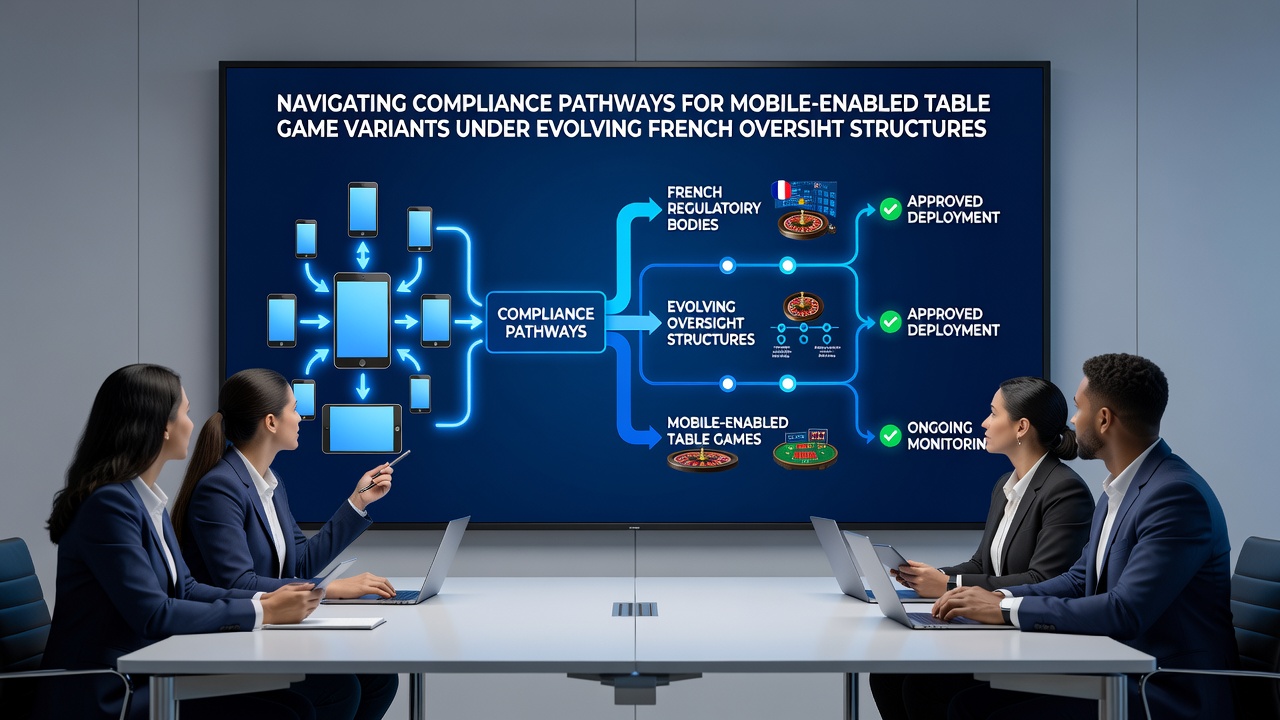
Navigating Compliance Pathways for Mobile-Enabled Table Game Variants Under Evolving French Oversight Structures
The French gambling sector operates under the supervision of the Autorité Nationale des Jeux, which sets technical and operational standards for online platforms offering table game variants such as roulette, blackjack, and poker on mobile devices, and these standards have shifted repeatedly as mobile technology integrates deeper into regulated markets.
Operators must align their systems with requirements that cover player authentication, game fairness certification, and data transmission security, while mobile variants introduce additional layers because apps transmit location data and session information in real time across varying network conditions.
Current Regulatory Framework
France maintains a licensing system that distinguishes between sports betting, casino games, and poker, with table game variants falling under casino game approvals that demand RNG testing or live dealer protocols verified by accredited laboratories, and mobile delivery channels receive the same scrutiny as desktop versions yet face extra checks for device compatibility and session continuity.
According to the Autorité Nationale des Jeux, operators submit detailed technical dossiers before launch, including source code reviews and penetration test results, while updates to these procedures have incorporated new criteria for cloud-based hosting and API integrations that support cross-device play.
Compliance Pathways for Mobile Variants
One established route involves securing an extension to an existing casino license, which requires demonstrating that mobile applications meet the same RNG certification thresholds applied to fixed terminals, and this process often includes third-party audits conducted at six-month intervals to confirm ongoing adherence.
Another pathway centers on joint ventures with French-licensed entities, allowing foreign developers to supply game engines while the local partner handles player fund segregation and tax reporting, and this model has gained traction because it distributes responsibility for geofencing enforcement across multiple parties.
Technical and Operational Requirements
Mobile platforms must implement continuous location verification through GPS and network triangulation, combined with periodic identity rechecks during extended sessions, and these measures align with broader anti-money laundering directives that France applies uniformly to all digital gambling channels.
Payment processing on mobile apps falls under separate scrutiny because instant deposit methods and e-wallets introduce new transaction velocity patterns that regulators monitor for suspicious activity, while operators integrate automated alerts that flag rapid transfers across accounts.

Developments Scheduled for October 2026
Updated technical specifications scheduled for October 2026 introduce mandatory support for decentralized identity verification protocols and enhanced encryption standards for live dealer video streams, and these changes will require operators to retrofit existing applications or migrate to new software frameworks before the deadline.
Research from the European Gaming and Betting Association indicates that similar phased rollouts in other EU jurisdictions have prompted operators to form dedicated compliance teams that track regulatory drafts and participate in consultation periods, and French stakeholders have followed this pattern by submitting position papers on mobile latency tolerances and data retention periods.
Industry Adaptation Patterns
Take one operator that expanded its mobile poker offering last year, where engineers adjusted backend systems to accommodate variable screen resolutions while maintaining RNG output consistency, and this adjustment required re-certification of core algorithms under the latest ANJ guidelines.
Another case involved a live dealer platform that integrated French language moderation tools and real-time responsible gaming pop-ups triggered by session duration, and such features now appear across multiple variants because they address both regulatory expectations and player protection metrics tracked by oversight bodies.
Data from academic studies on digital gambling markets show that mobile table game traffic in France has grown steadily since 2022, with poker variants accounting for a significant share, and this growth correlates with the rollout of 5G infrastructure that reduces latency during multi-player sessions.
Conclusion
France continues to refine its oversight of mobile-enabled table game variants through iterative updates to licensing conditions and technical standards, and operators navigate these pathways by combining internal audits with external certifications while preparing for the October 2026 enhancements that will reshape authentication and encryption practices.
Stakeholders monitor announcements from the Autorité Nationale des Jeux and align development roadmaps accordingly, ensuring that new mobile features remain compatible with existing compliance obligations throughout the transition period.